
Discovering Ancestral Veneration
- shennelhunte
- Sep 14, 2024
- 3 min read


Ancestor veneration is a deeply rooted and essential practice in Yoruba spirituality, a tradition that has withstood the test of time and continues to play a significant role in the lives of practitioners across the globe. In Yoruba cosmology, ancestors hold a revered status, serving as a vital link between the physical world and the spiritual realm. They embody the collective wisdom of the past and are honored for their guidance, protection, and continued influence on the living.
This blog post explores the significance of ancestor veneration in the Yoruba tradition, highlighting how it shapes the spiritual and cultural identity of its followers and how it serves as a bridge between generations.
Ancestors as the Foundation of Yoruba Spirituality
In the Yoruba belief system, ancestors are not seen as distant, disconnected figures. Instead, they are deeply intertwined with the lives of their descendants. The Yoruba people believe that life does not end with physical death but continues in the spiritual realm, where the spirits of the deceased can become elevated to the status of ancestors—known as egúngún—if they led honorable and impactful lives.
Ancestor veneration is a way of maintaining the connection between the living and the dead. This practice emphasizes the belief that ancestors, having transitioned to the spirit world, retain a vested interest in the well-being of their descendants. They are regarded as spiritual protectors, mediators, and guides who can influence everyday matters, from health and prosperity to personal decisions and family dynamics.
The Role of Ancestor Veneration in Yoruba Culture
Venerating ancestors is more than a spiritual practice in Yoruba tradition—it is an expression of respect, gratitude, and continuity. Families pay homage to their ancestors through rituals, prayers, and offerings, believing that doing so brings blessings and guidance. These practices also reinforce a sense of identity, heritage, and community.
In Yoruba culture, family lineage and community ties are of utmost importance. Ancestor veneration serves to honor the sacrifices and contributions of past generations while strengthening the bonds among the living. It reminds practitioners of their responsibilities to their families and communities, encouraging them to live lives of virtue and integrity, knowing that they too will one day join the ranks of the ancestors.
Practices of Ancestor Veneration
Veneration of ancestors can take many forms in Yoruba tradition, ranging from daily rituals to elaborate festivals. Here are a few common practices:
Offerings: Food, drink, and other symbolic items are offered to the ancestors to nourish their spirits and maintain the connection between the living and the dead. These offerings may be made at home altars, gravesites, or sacred spaces.
Prayers and Invocations: Practitioners communicate with their ancestors through prayers, seeking guidance, protection, and blessings. These prayers often ask ancestors to intercede on behalf of the living, providing help in times of need.
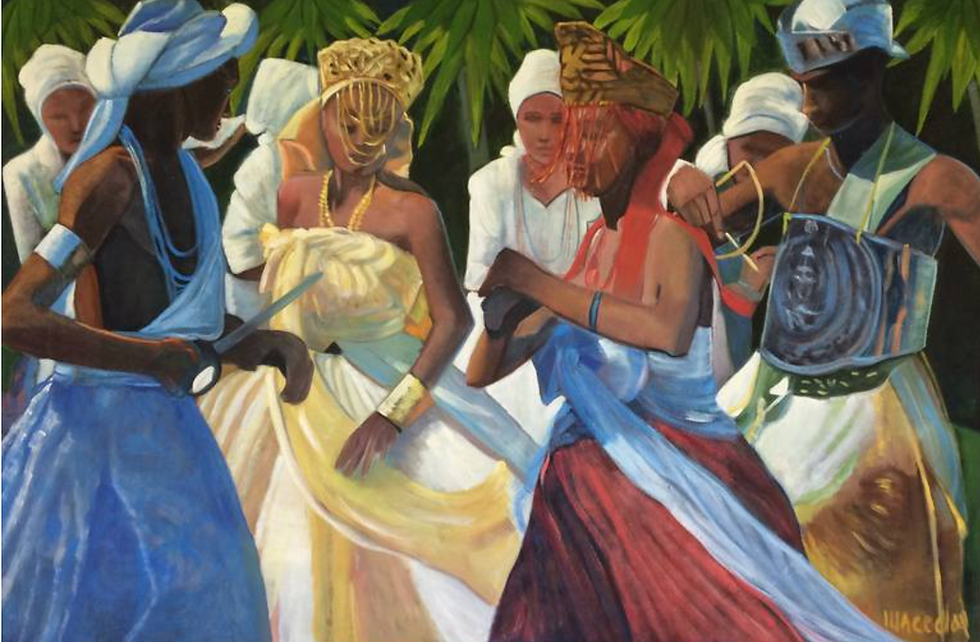
Egúngún Festival: One of the most important celebrations in Yoruba culture is the Egúngún festival, held to honor the ancestors. During this festival, participants wear elaborate masks and costumes to embody the spirits of the ancestors, bringing them into the physical world for a short period. It is a time of joy, dance, music, and reflection on the power of ancestry.
Shrines and Altars: Many families maintain shrines or altars dedicated to their ancestors. These sacred spaces are places for prayer, offerings, and reflection, serving as a constant reminder of the ancestors' presence and influence.
Ancestors as Guardians and Guides
Ancestor veneration is rooted in the belief that ancestors continue to play an active role in the lives of their descendants. They are seen as wise guides who can offer advice, protection, and healing. By honoring ancestors, Yoruba practitioners believe they can access this wisdom and create a reciprocal relationship, where the living honor the dead, and in return, the ancestors bestow blessings and support.
It is also believed that ancestors help maintain order and balance within families and communities. Through rituals and offerings, practitioners seek to appease and communicate with their ancestors, ensuring that the spiritual lineage remains strong and that they receive guidance in resolving conflicts, making important decisions, or navigating difficult times.
Honoring ancestors is seen as an integral part of achieving one's destiny. By venerating their ancestors, Yoruba practitioners strengthen their connection to the spiritual realm, ensuring that they receive the insight and protection needed to stay on their path.
How does the idea of honoring ancestors resonate with you, whether through your own cultural practices or spiritual beliefs? Have you ever reflected on how your ancestors might influence your life today? Share your thoughts in the comments below!


Comments