
Orisha Patakis: The Stories and Lessons of the Yoruba Deities
- shennelhunte
- Sep 14, 2024
- 3 min read

Updated: Oct 6, 2024
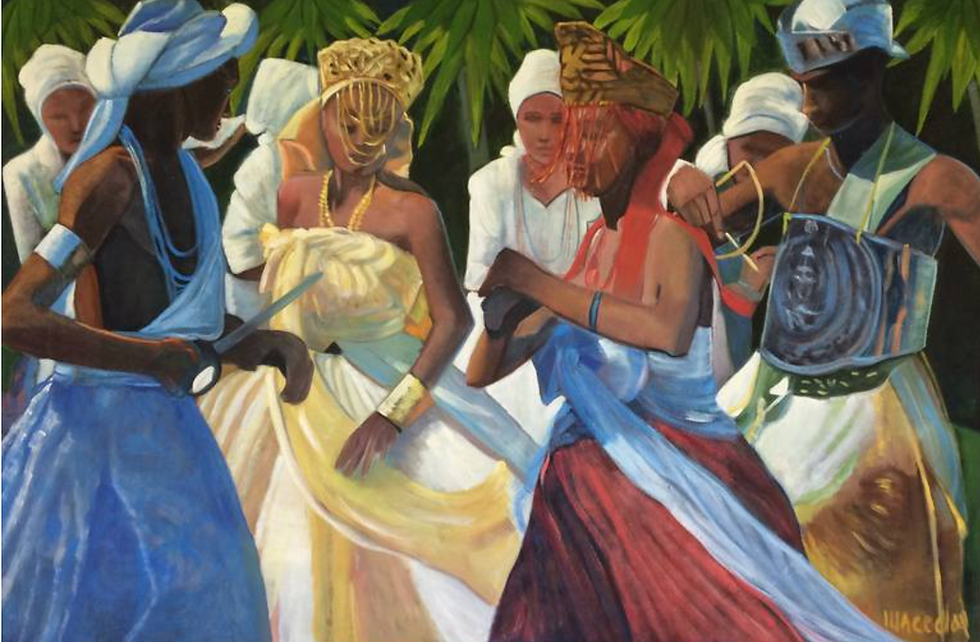
In the rich tapestry of Yoruba spirituality, Patakis are traditional stories or narratives that convey the teachings, wisdom, and attributes of the Orishas—divine beings who govern various aspects of life. Each Pataki serves as a vital means of transmitting cultural values, ethical lessons, and spiritual guidance through generations. These stories not only enrich the understanding of the Orishas but also illustrate their profound connection to human experiences.
Understanding Patakis
Patakis are often passed down through oral tradition, shared during rituals, festivals, and community gatherings. They encompass a wide range of themes, including love, conflict, betrayal, triumph, and transformation, reflecting the complexities of human nature and the lessons embedded within each narrative. Through the characters and events depicted in Patakis, practitioners gain insights into how to navigate life's challenges, honor their ancestors, and align themselves with the divine will of the Orishas.
The Significance of Patakis in Yoruba Culture
Patakis are more than just stories; they are a means of preserving the values and beliefs of the Yoruba people. They serve as educational tools that impart moral lessons and cultural heritage to younger generations. By recounting the deeds and experiences of the Orishas, Patakis instill a sense of identity and community, fostering a connection between the past and present.
An Example: The Pataki of Oba Nani

Oba Nani was one of the wives of Shango, known for her fierce loyalty and deep love for him. While Oba Nani was devoted, she struggled with feelings of inadequacy and jealousy when Shango's attention turned to Oshun, whose beauty and charm captivated him.
Desperate to win back Shango’s affection, Oba Nani sought counsel from Oshun, hoping to learn the secret to Shango’s heart. In a moment of misguided advice, Oshun told Oba Nani that a powerful sacrifice would earn Shango's love and loyalty, suggesting that she cut off her ear.
Oba Nani, believing this to be the key to winning Shango back, obeyed. However, when Shango saw what she had done, he was horrified by her sacrifice and the drastic measure she took to gain his attention. Overwhelmed by shock and grief, Shango left her, unable to comprehend why she would harm herself for his affection.
In her despair, Oba Nani learned that love cannot be forced through sacrifice or drastic actions.
This pataki emphasizes the themes of self-worth, the consequences of jealousy, and the complexities of love and devotion. It serves as a reminder that true love is rooted in respect and understanding, not in self-sacrifice.
For more orisha patakis, check out TheAsheShop on Youtube.
Engaging with Patakis
For those interested in exploring the world of Orishas and their teachings, engaging with Patakis can be a deeply enriching experience. Here are some ways to do so:
Storytelling: Attend community gatherings or ceremonies where Patakis are shared. Listening to these stories in a communal setting can enhance your understanding and appreciation of Yoruba culture.
Reading: Look for books or resources that compile Patakis and offer interpretations. This can provide context and insights into the lessons conveyed through these narratives.
Reflection: After learning about a Pataki, take time to reflect on its themes and lessons. Consider how they might apply to your own life and experiences.
Discussion: Engage with others who are interested in Yoruba spirituality to share interpretations and thoughts about various Patakis. This can lead to deeper insights and understanding.
In the Pataki of Oba Nani, we see the profound impact of jealousy and misguided sacrifices on relationships. Reflecting on this story, how do you interpret the balance between devotion and self-worth in your own life? Can you identify a moment where you felt pressured to sacrifice something important for the sake of love or approval? How did that experience shape your understanding of healthy relationships and self-respect?


Comments