
Exploring the Connection Between Orisha and Greek Gods
- shennelhunte
- Sep 14, 2024
- 3 min read

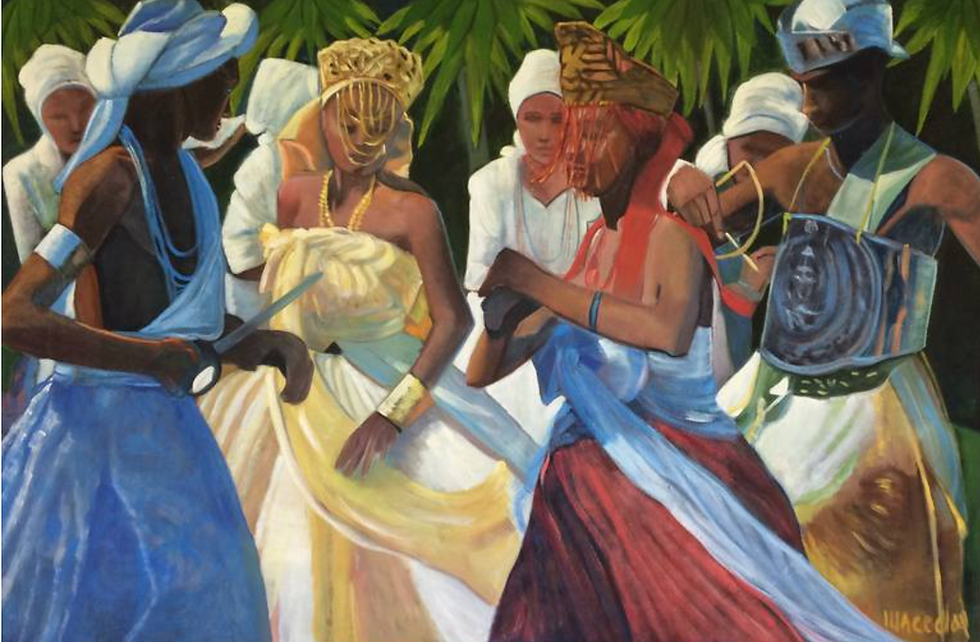

Throughout history, various cultures have developed rich mythologies that reflect their values, beliefs, and experiences. Among these are the Orisha of the Yoruba religion and the gods of ancient Greece. While these two systems may seem disparate at first glance, they share striking similarities in their structures, functions, and cultural significance. In this blog post, we will delve into the connections between Orisha and Greek gods, exploring their roles in spirituality, nature, and human experience.
Understanding Orisha
The Orisha are divine entities within the Yoruba religious tradition, primarily practiced in Nigeria and among the African diaspora, especially in the Americas and the Caribbean. Each Orisha embodies specific natural elements, virtues, and human experiences, serving as intermediaries between the divine and human realms. Notable Orisha include:
Obatala: The Orisha of wisdom, purity, and light, often associated with creation and the sky.
Shango: The god of thunder and lightning, representing power, masculinity, and virility.
Yemaya: The mother of all waters and a nurturing figure, representing fertility and motherhood.
The Orisha are worshiped through rituals, offerings, and ceremonies, where practitioners seek their guidance, blessings, and intervention in daily life.
The Pantheon of Greek Gods
Greek mythology, with its pantheon of gods and goddesses, has fascinated people for centuries. These deities were associated with various aspects of life, nature, and human emotions. Prominent Greek gods include:
Zeus: The king of the gods, ruler of Mount Olympus, and god of the sky and thunder.
Hera: The goddess of marriage and family, known for her protective nature towards women.
Poseidon: The god of the sea, earthquakes, and horses, representing the untamed forces of nature.
Similar to the Orisha, Greek gods had specific domains and were called upon for protection, favor, and intervention in human affairs.
Parallels in Structure and Function
Personification of Natural Forces: Both Orisha and Greek gods personify natural elements and forces. For example, Shango's association with thunder parallels Zeus's dominion over storms and lightning, emphasizing humanity's reverence for nature and its unpredictable powers. Similarly, Yemaya, as the goddess of water, can be compared to Poseidon, who governs the seas and aquatic realms.
Goddesses of Love and Beauty: Oshun, the Orisha of love, fertility, and rivers, shares attributes with Aphrodite, the Greek goddess of love and beauty. Both deities symbolize femininity and nurturing, influencing matters of the heart and interpersonal relationships.
Intermediaries Between the Divine and Human: Orisha and Greek gods serve as intermediaries, guiding and influencing human experiences. Eshu, known as the trickster and messenger, parallels Hermes, the Greek god who also serves as a messenger and guide for souls. Both deities facilitate communication between humans and the divine, often navigating the complexities of fate and free will.
Moral and Ethical Framework: The stories and characteristics of both Orisha and Greek gods offer moral lessons and guidance on ethical behavior. For instance, the tales of gods often highlight the consequences of hubris and the importance of humility. This lesson is echoed in the teachings of Orisha, which stress the significance of balance, respect, and harmony in one’s actions.
Cultural Identity and Heritage: Both systems are deeply intertwined with the cultural identities of their respective communities. The Orisha are central to Yoruba spirituality, while Greek gods have shaped Western literature, philosophy, and art. Both reflect the histories, struggles, and values of their people, preserving cultural heritage through generations.
Here's a question for you: In what ways do the connections between the Orisha and Greek gods illustrate the importance of balance in life, such as the duality of nurturing and power seen in figures like Yemaya and Zeus?


Comments